According to the World Health Organization (WHO), it is a syndrome of a chronic or progressive nature characterized by a deterioration in cognitive function beyond what might be expected from normal ageing. It affects memory, thinking, orientation, comprehension, learning capacity, language, and judgment, often accompanied by changes in emotional control, social behavior, and motivation. Among its various forms, Alzheimer’s disease (AD) is the most prevalent, accounting for 60–70% of cases, and currently affects over 50 million people worldwide, a number expected to triple by 2050. Importantly, dementia is not a normal or inevitable part of ageing. Mild Cognitive Impairment (MCI) represents an intermediate stage between typical age-related cognitive decline and dementia, with some individuals progressing to dementia each year.

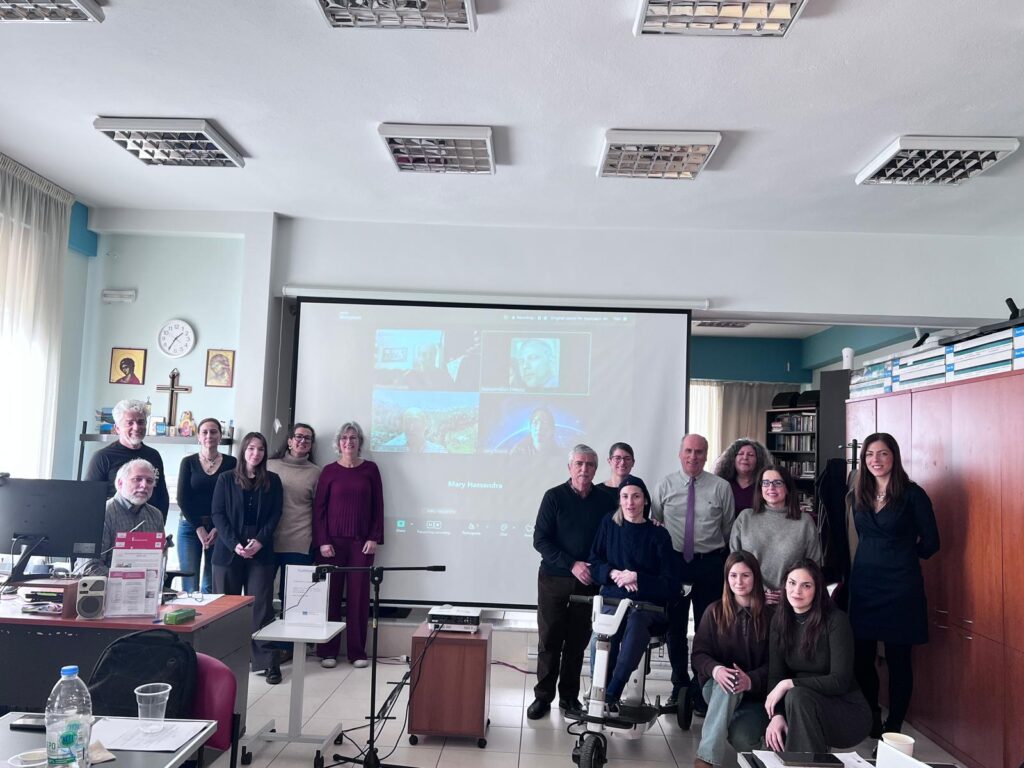
Given its significant impact on individuals, families, and healthcare systems, there is a growing need to develop effective strategies for prevention, management, and care.Our mission is to demonstrate the value of physical activity as a key element in promoting healthier ageing and supporting people living with dementia. By integrating structured physical exercise into care and support services, we strive to help individuals maintain the highest possible level of cognitive, physical, and functional ability, improving wellbeing and quality of life for both people with dementia and their communities.At the core of ProPEDeAMCI is a strong commitment to inclusion, innovation, and collaboration. By fostering connections between professionals, institutions, and communities, the project contributes to a more integrated and person-centered approach to dementia care.


ProPEDeAMCI is a European project funded under the Erasmus+ Sport programme, bringing together a multidisciplinary partnership of 10 organizations from 9 countries.

 The consortium includes universities, research centers, healthcare providers, and organizations specialized in dementia and mental health.Our project focuses on promoting the benefits of physical exercise for people living with Mild Cognitive Impairment (MCI), Alzheimer’s disease, and other forms of dementia. Through training programs and international collaboration, we aim to strengthen the skills and knowledge of professionals such as physical activity and sport trainers, neurologists, neuropsychologists, and healthcare staff working in mental health units, geriatric clinics, and dementia care centres. 


OUR GOAL

Our goal is to support them in designing, implementing, and evaluating safe and effective physical exercise programs for people living with cognitive impairment.Beyond professional training, the project promotes the exchange of knowledge and best practices at regional, national, and European levels. By fostering cooperation between organizations and sectors, we aim to create innovative and transferable solutions that can be replicated in different contexts.Dementia is one of the most common conditions affecting the elderly population.
